
Explore our resources
Learn at your own pace. Whether you are looking for answers, exploring your identity or supporting someone else, our resources are here to guide you.
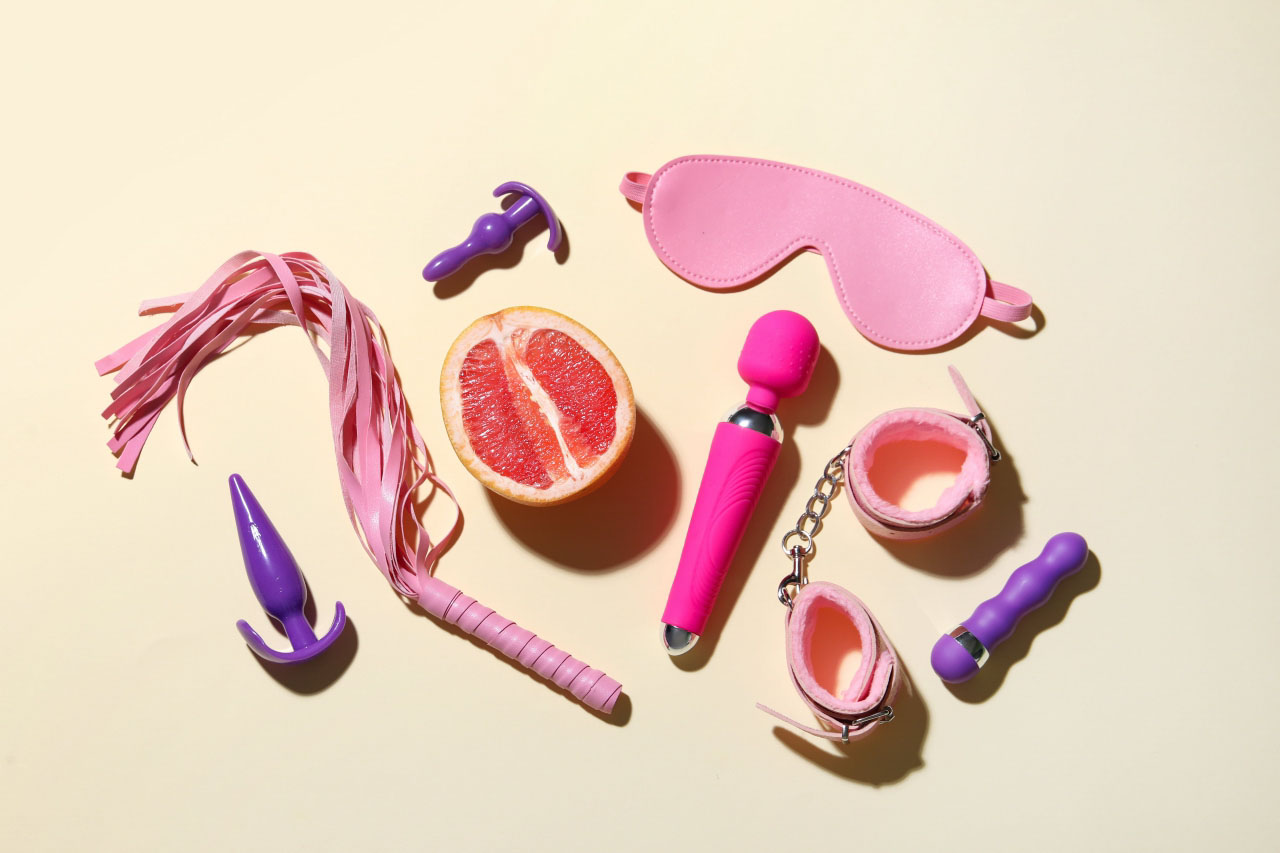
Sex Toys and Disability
Engaging in sexual experiences is commonly a critical component in people’s quality of life. So why be limited in your sexuality when there’s now options to make sex an achievable and fun experience for everyone?
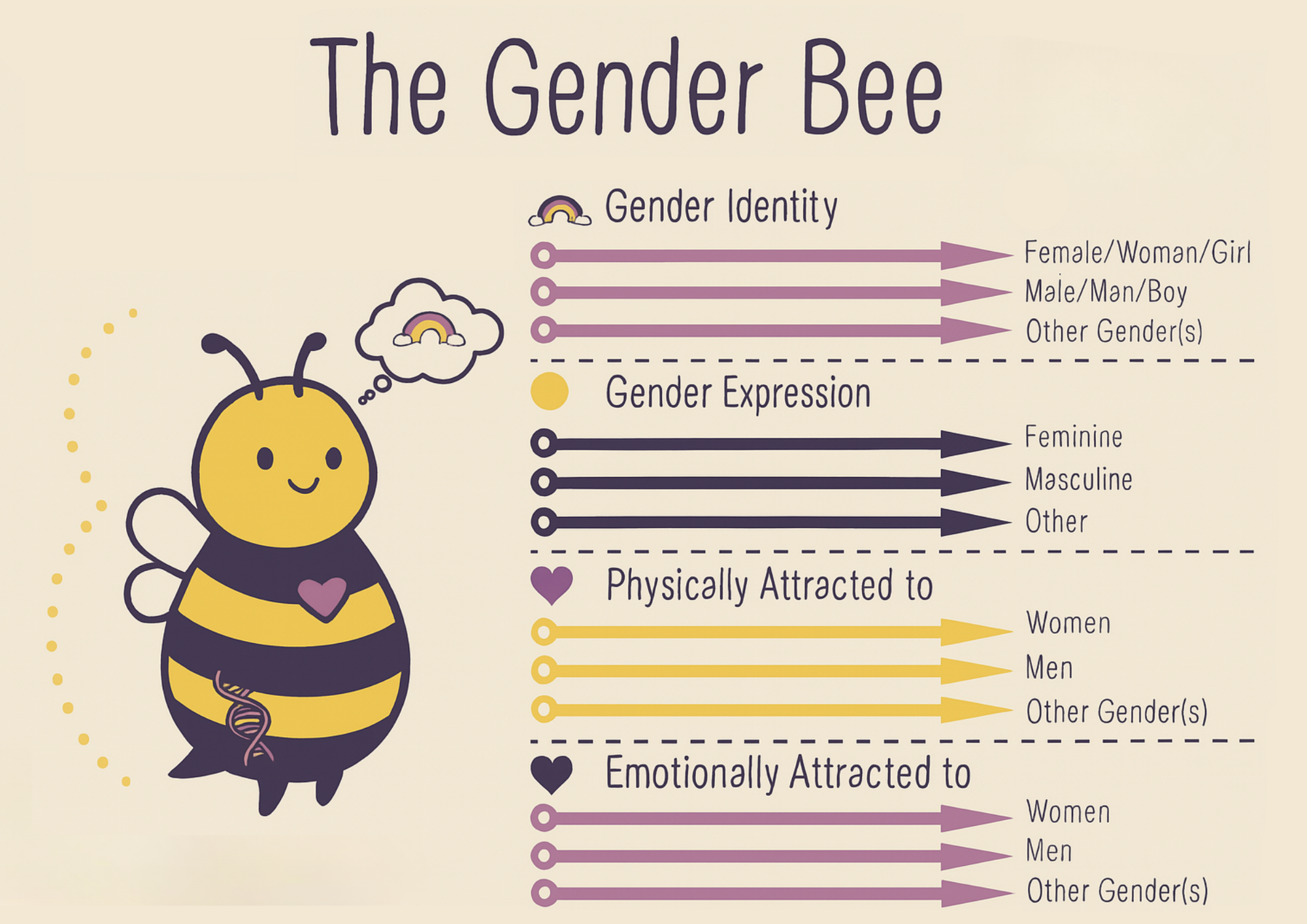
Understanding The Genderbee
The Genderbee is a visual guide designed to help people understand the complexity of gender and sexuality. It breaks down gender into several distinct yet interconnected components identity, expression, sex, and attraction.
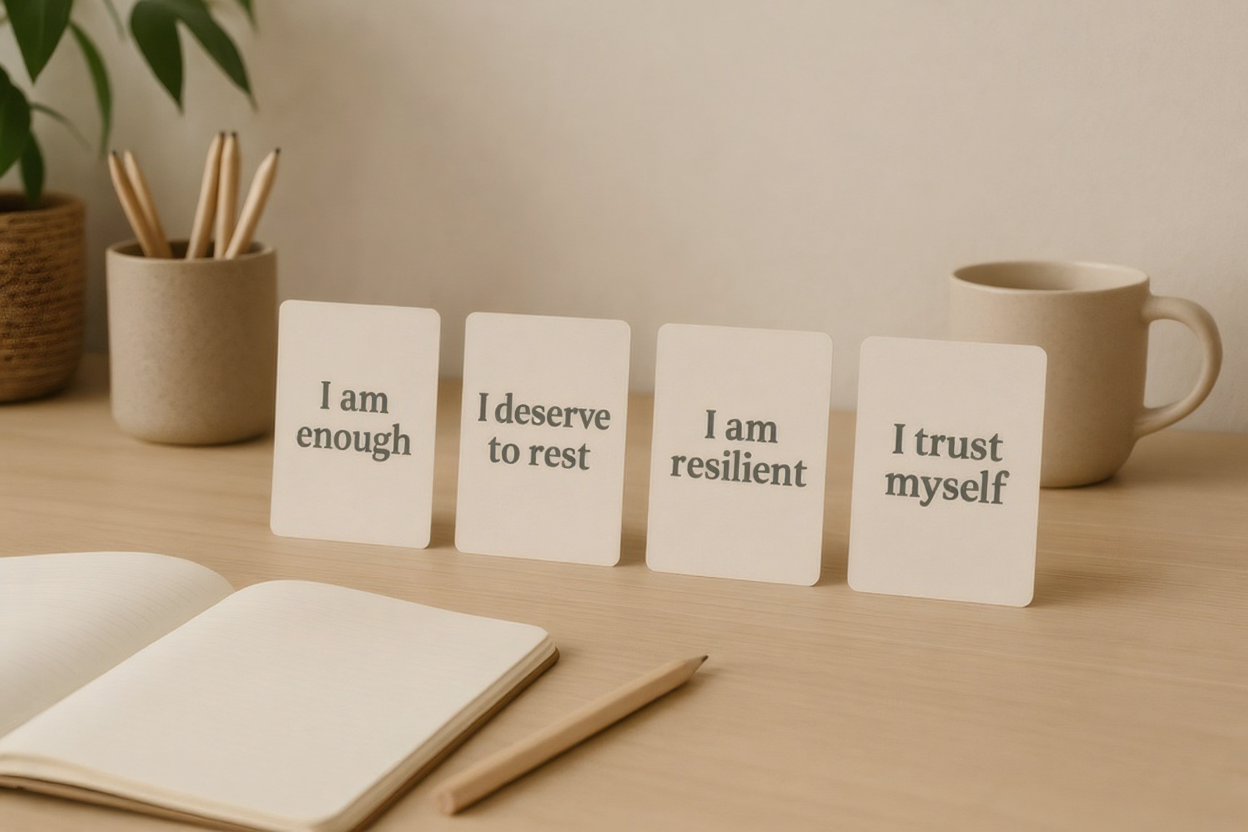
Downloadable Affirmations for Sexuality, Self-Love & Confidence
Your authentic self is worthy of celebration. These affirmations are designed to nurture self-acceptance, strengthen confidence, and honour your unique journey of sexuality and identity.

NDIS and Sexual Health: How to Get Funding for Supports That Matter
Sexual health and wellbeing are important parts of being human, but for people living with disability, these needs are often overlooked or misunderstood.

Staying Sexually Healthy: A Guide for People Living with a Disability
Sexual wellness is a fundamental part of overall health and wellbeing. The World Health Organization reminds us that sexual health “is fundamental to the overall health and well-being of individuals, couples and families, and to the social and economic development of communities and countries.”

Pronouns: Small Words, Big Respect
If you’ve ever introduced yourself and said, “Hi, I’m Taylor and I use they/them pronouns,” then you already know that pronouns are about so much more than grammar. They’re about respect, identity, and inclusion.

What Happens Behind Closed Doors: Understanding Escort Bookings, Health, and Respect
Navigating intimacy services can be confusing, especially if it’s your first time or if you’re living with a disability. This guide helps you understand what to expect when booking an escort or visiting a brothel so you can feel informed, confident, and respected every step of the way.
Safe Conversations Around Sexual Wellness - Support Workers
As a support worker, your role often focuses on helping people with disability with daily living, community access, and physical support. But every now and then, you might find yourself in a conversation that feels a little more personal, one that touches on sexual wellness or intimacy.
FAQs
Looking for more clarity before you reach out? Here are some common questions to help you feel more confident and informed.
Masturbation by itself when done privately, safely, and consensually, is not an incident under the NDIS. People with disability have the same rights to sexual expression, privacy, and bodily autonomy as anyone else. However, it can become an NDIS incident (and in some cases a reportable incident) depending on the context: 1. Not an incident - The person is masturbating in private and not causing harm to themselves or others. → This is a normal, healthy behaviour. Support workers should uphold the person’s privacy and dignity. 2. An incident - The behaviour happens in a public or shared space, or in front of others without consent. → This may be an incident because it could cause distress to others or indicate the person needs support or education about privacy and boundaries. 3. A reportable incident - If the behaviour involves harm, coercion, or lack of consent (for example, someone being touched without consent, or the person is being exploited), then it becomes a reportable incident under the NDIS Commission. Also, if a provider’s response to the behaviour involves the unauthorised use of a restrictive practice (like seclusion or restraint), that too must be reported. In summary: Masturbation isn’t automatically an incident. It’s only considered one if there’s harm, lack of consent, privacy violation, or inappropriate response from a provider.
Currently, NDIS funding does not cover sex workers or sexual services. However, it may fund related supports like sexual health education, psychological support, or occupational therapy related to intimacy or relationships.
This doesn’t automatically mean something is “wrong.” It may indicate the person needs: Support understanding privacy. Access to education about appropriate settings. Or sometimes, medical or emotional support if the behaviour is new or distressing. It should be handled respectfully, not punitively.
Absolutely. All people, regardless of ability, experience sexual feelings, attraction, and desire. Acknowledging and respecting these feelings is part of holistic wellbeing. Sexuality is a natural part of being human, and people living with a disability enjoy pleasure, intimacy, and relationships just as much as anyone else. Education, support, and adaptive strategies help navigate barriers.
Yes. There is a growing range of adaptive sex toys and assistive devices designed to make sexual activity and intimacy more accessible for people with physical, sensory, or cognitive differences. These tools aim to accommodate mobility limitations, sensory sensitivities, or difficulties with dexterity, allowing individuals to explore pleasure safely and comfortably.
Learn in a space where your questions are welcome
Join live sessions or watch on demand — all created by professionals who understand the real-world challenges of exploring sexuality, identity and connection.
- Sexuality & identity
- Consent & communication
- Relationships & intimacy
- Confidence & self expression
- Disability & sexual wellness
- Support & education for carers