
Safe Conversations Around Sexual Wellness - Support Workers
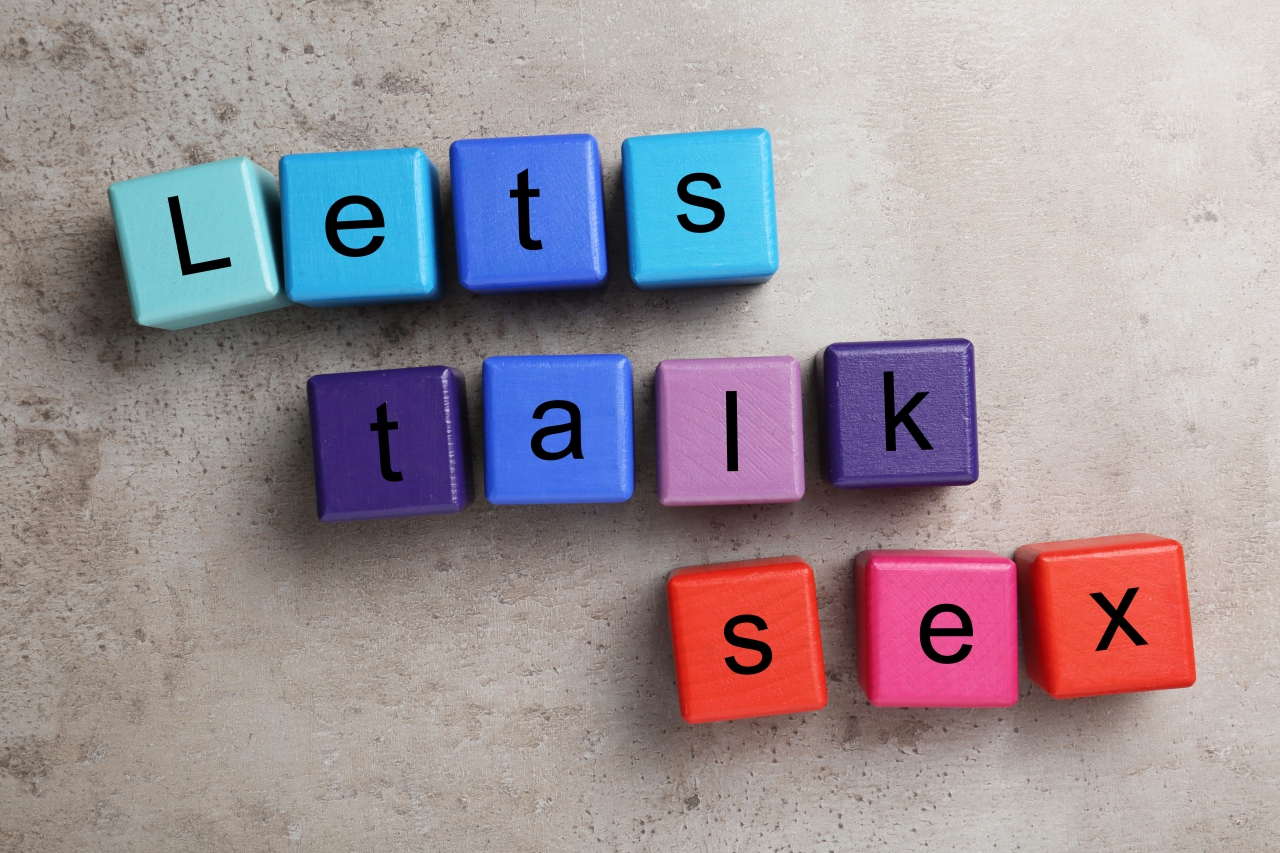
Guidance for Support Workers Supporting People Living With Disability
As a support worker, your role often focuses on helping people with disability with daily living, community access, and physical support. But every now and then, you might find yourself in a conversation that feels a little more personal, one that touches on sexual wellness or intimacy.
It’s perfectly normal to feel uncertain, uncomfortable, or even a bit awkward in that moment. After all, sexual wellness isn’t always talked about openly, especially within the context of disability support.
However, it’s important to remember that sexuality is a natural and human part of life. Your client, like anyone else, has the same basic needs for love, intimacy, and self-expression. Talking about these topics respectfully can help them feel seen, heard, and supported.
Understanding Sexual Wellness Conversations
A person living with a disability may approach you with questions or thoughts about:
- Their gender or sexual identity
- Finding a partner or forming romantic relationships
- Using dating apps or social media to meet people
- Visiting services or spaces related to sexual pleasure or intimacy
- Topics like masturbation, pornography, or sex toys
- Safe sex practices and pregnancy
- Or simply expressing a desire to find love and start a family
These are all valid and human topics, and your response matters!
Recognising Your Role and Boundaries
As a support worker, it’s natural to have your own personal values, beliefs, and comfort levels around sexuality. However, it’s crucial to remember that your client’s experiences, values, and needs may differ from yours, and that’s okay.
In your role, you hold a degree of influence and trust. How you respond can have lasting effects, either empowering your client to feel respected and supported, or unintentionally causing shame or confusion.
That’s why non-judgemental listening and clear boundaries are key. Your job isn’t to provide sexual advice or counselling, but rather to ensure your client’s questions are acknowledged, respected, and directed to the right place for accurate information and support. It is important to leave any of your personal convictions at the door and engage in a meaningful conversation that will best support the person’s desired outcome.
How to Respond Safely and Respectfully
When a client brings up topics around sexual wellness, here are some practical steps to help guide your response:
- Listen with empathy and respect.
Allow your client to express themselves fully. Your calm, open response shows that they are being taken seriously and not judged. - Acknowledge their question.
You can say something like, “Thank you for sharing that with me. It’s great that you feel comfortable talking about it.” This helps build trust and validation. - Be honest about your role and limits.
If you’re unsure how to respond, it’s okay to say so. For example, “That’s an important question, and I want to make sure you get the right information. Would it be okay if I talk with my supervisor/your Support Coordinator/Allied Health team, so we can find someone who can help?” - Ask for consent to share their request.
Always check that your client agrees for you to discuss their question with an external stakeholder or allied health professional before doing so. - Refer to the right supports.
Let your supervisor/participants Support Coordinator or relevant parties know about the client’s request so it can be explored further with appropriate professionals, such as an occupational therapist, psychologist, or sexual health educator.
By taking these steps, you help ensure that your client’s right to sexual expression is respected, while also protecting your own professional boundaries.
Why This Matters
For people living with disability, conversations about sexuality and sexual wellness are often overlooked or avoided. Yet, they are an essential part of human dignity, identity, and wellbeing.
By responding with openness and professionalism, you help break down stigma and create a culture where people with disability feel safe to explore and express who they are, without fear of judgement or exclusion.
As a support worker, you don’t need all the answers, just empathy, awareness, and the willingness to listen.
Because sometimes, being heard is the first step toward empowerment.
Related posts

NDIS and Sexual Health: How to Get Funding for Supports That Matter
Sexual health and wellbeing are important parts of being human, but for people living with disability, these needs are often overlooked or misunderstood.

Trauma-Informed Care and Language in Sexual Wellness
Trauma can have a profound impact on how someone experiences their body, relationships, and sexuality.

Safe Conversations: Talking About Sexual Wellness with People Living with Disability - Clinicians
As healthcare professionals, we know that wellbeing is more than physical health alone, it’s emotional, social, and sexual too. Yet, conversations about sexuality and sexual wellness can still feel uncomfortable or uncertain, particularly when supporting people living with a disability.
Learn in a space where your questions are welcome
Join live sessions or watch on demand — all created by professionals who understand the real-world challenges of exploring sexuality, identity and connection.
- Sexuality & identity
- Consent & communication
- Relationships & intimacy
- Confidence & self expression
- Disability & sexual wellness
- Support & education for carers