
Explore our resources
Learn at your own pace. Whether you are looking for answers, exploring your identity or supporting someone else, our resources are here to guide you.

Language Script for Perpetration Disclosures
This framework provides guidance for support workers responding to a client's disclosure of sexual perpetration. The approach balances validation, safety, professional boundaries, and appropriate action...
Trauma-Informed Care and Language in Sexual Wellness
Trauma can have a profound impact on how someone experiences their body, relationships, and sexuality.
Dating and Socialising Tips
Whether it’s your first time chatting online or meeting someone in person, dating and socialising can bring excitement, and sometimes nerves. These practical tips can help you stay safe, comfortable and confident throughout the experience.
The Foundation of Healthy Connection - Informed Consent
Sexual consent is more than a legal requirement - it’s a cornerstone of respect, safety, and human connection.

Defining Sexual Health
When we talk about sexual health, sexuality, sexual rights, sexual wellbeing, and sexual wellness, it’s easy to assume they all mean the same thing, but they don’t!
Queer Joy, Intimacy & Pleasure: Reclaiming Sexual Wellness
For years, conversations about LGBTQIASB+ sexual health have focused on risk and prevention.But what if we flipped the script?
Queer, Proud & Disabled: Let’s Talk About Sexual Health and Wellness
When we talk about sexual health and wellness, people with disability are often left out of the conversation, and even more so if they’re part of the LGBTQIASB+ community.
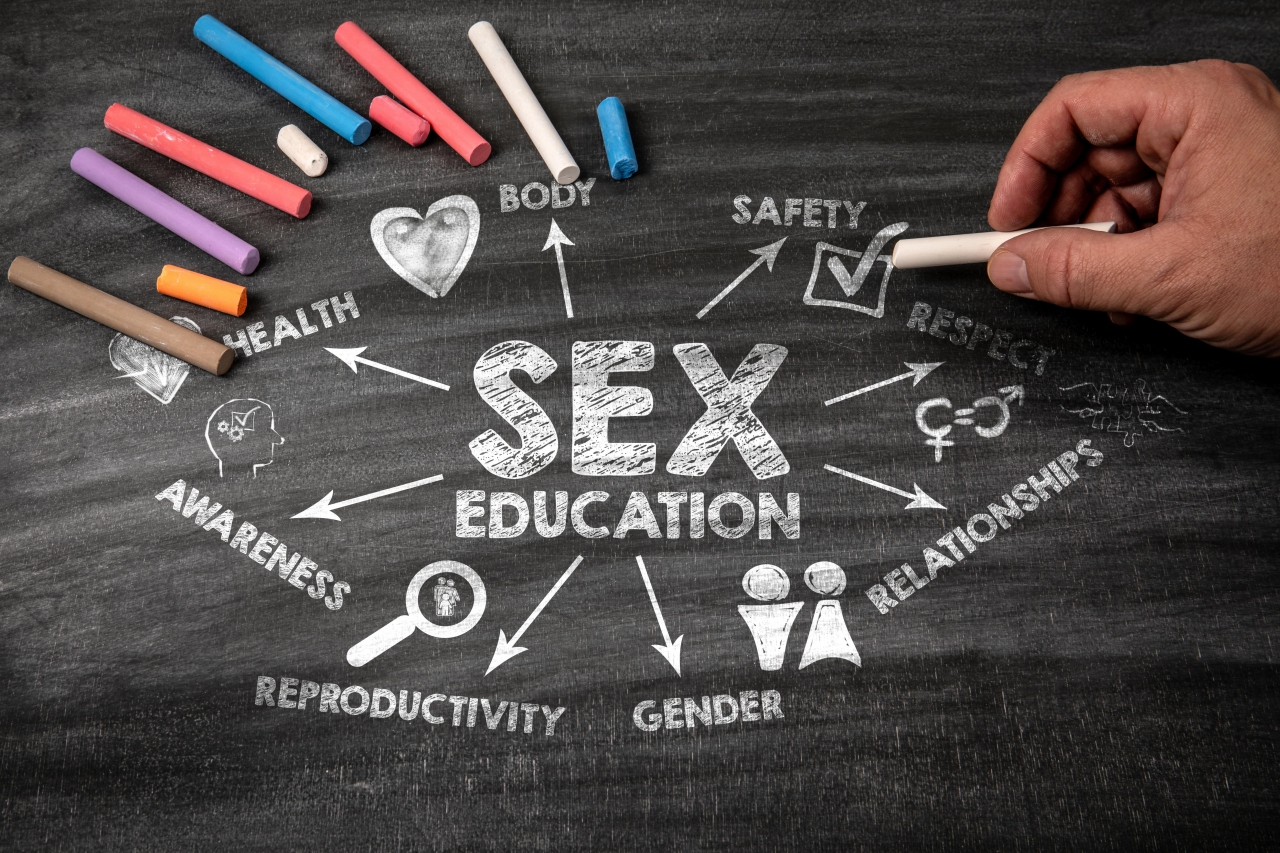
Case Study 1: Supporting NDIS Participants in Safe Sexual Exploration
Working in the NDIS sector, support goes far beyond day-to-day care. One area that often receives less attention, but is vital to holistic wellbeing, is helping participants safely explore their sexual expression while staying within the scope of your role.
Case Study 2: Supporting NDIS Participants in Safe Gender Exploration
Supporting participants to explore gender identity is another vital part of holistic wellbeing. Many participants have not had opportunities to understand or express their gender fully, and support workers often become the trusted people they turn to for guidance.
FAQs
Looking for more clarity before you reach out? Here are some common questions to help you feel more confident and informed.
Masturbation by itself when done privately, safely, and consensually, is not an incident under the NDIS. People with disability have the same rights to sexual expression, privacy, and bodily autonomy as anyone else. However, it can become an NDIS incident (and in some cases a reportable incident) depending on the context: 1. Not an incident - The person is masturbating in private and not causing harm to themselves or others. → This is a normal, healthy behaviour. Support workers should uphold the person’s privacy and dignity. 2. An incident - The behaviour happens in a public or shared space, or in front of others without consent. → This may be an incident because it could cause distress to others or indicate the person needs support or education about privacy and boundaries. 3. A reportable incident - If the behaviour involves harm, coercion, or lack of consent (for example, someone being touched without consent, or the person is being exploited), then it becomes a reportable incident under the NDIS Commission. Also, if a provider’s response to the behaviour involves the unauthorised use of a restrictive practice (like seclusion or restraint), that too must be reported. In summary: Masturbation isn’t automatically an incident. It’s only considered one if there’s harm, lack of consent, privacy violation, or inappropriate response from a provider.
Currently, NDIS funding does not cover sex workers or sexual services. However, it may fund related supports like sexual health education, psychological support, or occupational therapy related to intimacy or relationships.
This doesn’t automatically mean something is “wrong.” It may indicate the person needs: Support understanding privacy. Access to education about appropriate settings. Or sometimes, medical or emotional support if the behaviour is new or distressing. It should be handled respectfully, not punitively.
Absolutely. All people, regardless of ability, experience sexual feelings, attraction, and desire. Acknowledging and respecting these feelings is part of holistic wellbeing. Sexuality is a natural part of being human, and people living with a disability enjoy pleasure, intimacy, and relationships just as much as anyone else. Education, support, and adaptive strategies help navigate barriers.
Yes. There is a growing range of adaptive sex toys and assistive devices designed to make sexual activity and intimacy more accessible for people with physical, sensory, or cognitive differences. These tools aim to accommodate mobility limitations, sensory sensitivities, or difficulties with dexterity, allowing individuals to explore pleasure safely and comfortably.
Learn in a space where your questions are welcome
Join live sessions or watch on demand — all created by professionals who understand the real-world challenges of exploring sexuality, identity and connection.
- Sexuality & identity
- Consent & communication
- Relationships & intimacy
- Confidence & self expression
- Disability & sexual wellness
- Support & education for carers